Bangladesh has called for a new approach to international development cooperation, urging global partners to move beyond traditional aid and focus on long-term investment, technology transfer and strategic partnerships.
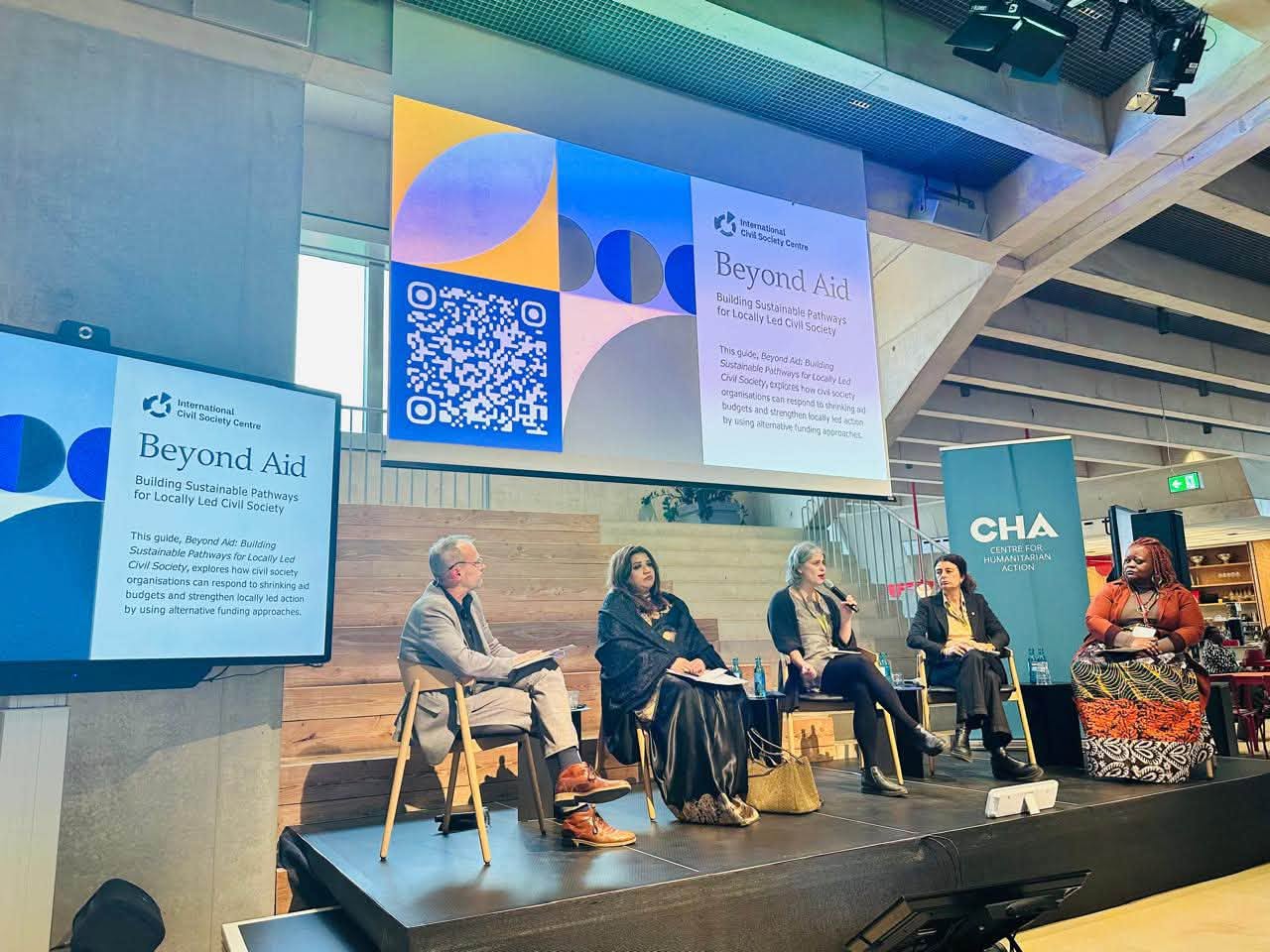
State Minister for Foreign Affairs Shama Obaed Islam made the call at the annual conference of the Center for Humanitarian Actions in Berlin on November 26, highlighting the need for stronger international cooperation to address shared development and humanitarian challenges.
She described Germany as a longstanding and trusted development partner of Bangladesh and called for deeper engagement with countries, particularly across the Global South.
According to The Business Standard, Shama Obaed identified climate change, disaster management, renewable energy, skills development, job creation and women's empowerment as key areas where international cooperation could deliver meaningful results.
She said the climate crisis and the prolonged Rohingya situation could not be addressed by individual countries alone. Both require coordinated regional and international responses, backed by political commitment and collective action.
The state minister also stressed that development programmes should place greater emphasis on local knowledge, community leadership and resilience. She said international expertise and financial support would be more effective when combined with local capacity and experience.
Highlighting Bangladesh's own development initiatives, she referred to the government's plan to excavate more than 20,000 kilometres of canals to tackle flooding and drought. She also mentioned the proposed planting of 250 million trees as part of efforts to combat deforestation and climate change.
Bangladesh's progress in disaster management, she added, offers important lessons in building resilience against natural disasters.
"Not aid, but partnership, development financing, innovation and technology sharing are vital for the development of the Global South," she said.
The Berlin conference brought together humanitarian practitioners, policymakers and development experts to discuss the future of international aid and development financing.
Participants examined reforms in the aid system, locally led development and alternative funding models as international humanitarian resources face growing financial constraints.
Bangladesh's message reflects a broader call among developing countries for a more balanced international development system—one that moves beyond donor-dependent assistance towards shared responsibility, local ownership and sustainable economic cooperation.
BOB Post