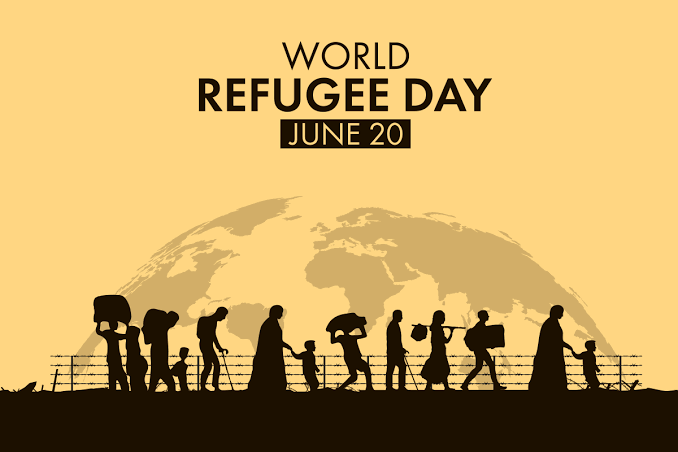
As the world marks World Refugee Day on June 20, the plight of the Rohingya remains a stark reminder of one of the world's longest-running and most unresolved displacement crises. Nearly a decade after hundreds of thousands fled brutal military operations and persecution in Myanmar's Rakhine State, more than a million Rohingya continue to live in overcrowded camps in Bangladesh, trapped between an unsafe homeland and an uncertain future.
Despite repeated international pledges of support, meaningful progress toward repatriation, citizenship rights, or accountability has remained elusive, leaving an entire population in prolonged exile.
New Influx Deepens Humanitarian Pressure
The humanitarian situation has become increasingly strained in recent years. Bangladesh currently hosts over one million Rohingya refugees across 33 camps in Cox's Bazar and an additional 35,000 to 37,000 on Bhasan Char island. The pressure has intensified following a significant rise in new arrivals fleeing renewed violence and instability in Myanmar.
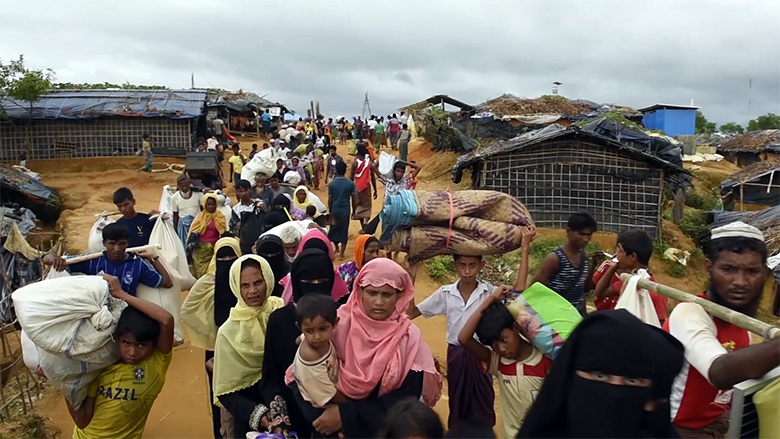
Between December 2024 and November 2025, an estimated 139,378 Rohingya entered Bangladesh, including more than 136,000 during the first eleven months of 2025. According to humanitarian agencies, the total Rohingya population in Bangladesh now stands between 1.14 million and 1.28 million, making it one of the largest refugee populations in the world.
The latest influx, one of the largest since the mass exodus of 2017, has placed enormous pressure on already stretched resources. Refugee camps are struggling to cope with growing demands for food, clean water, sanitation, healthcare, and shelter. Funding shortages have further complicated relief efforts, forcing humanitarian agencies to scale back essential services. More than half of the Rohingya population are children, many of whom have spent their entire lives in displacement with limited access to formal education and livelihood opportunities.
International Attention, Limited Progress
While the Rohingya crisis continues to draw expressions of concern from global leaders, concrete solutions remain out of reach.
The United Nations has repeatedly called for justice, accountability, and conditions conducive to the voluntary, safe, and dignified return of Rohingya refugees. High-level meetings and international conferences, including a major UN gathering in 2025, renewed appeals for global solidarity and action. UN Secretary-General António Guterres has also visited the camps and urged sustained international support.
Yet diplomatic efforts have produced little tangible progress. Regional responses have been constrained by political sensitivities, particularly within ASEAN, whose principle of non-interference has limited stronger engagement with Myanmar's military authorities. Meanwhile, divisions among major powers have hindered coordinated action through the UN Security Council.
Efforts to repatriate refugees have repeatedly stalled due to the absence of basic guarantees inside Myanmar. Ongoing conflict, restrictions on movement, lack of citizenship rights, and persistent insecurity in Rakhine State continue to make return impossible for most Rohingya.
Solidarity Must Go Beyond Words
This year's World Refugee Day theme highlights the importance of solidarity with displaced populations and the principle that everyone deserves safety and protection. For the Rohingya, however, solidarity must extend beyond humanitarian assistance.
Meaningful support requires sustained political engagement to address the root causes of the crisis, including statelessness, discrimination, and impunity in Myanmar. It also requires stronger international burden-sharing to support Bangladesh, which has shouldered the overwhelming responsibility of hosting the displaced population for nearly a decade.
At the same time, the international community must explore all viable long-term solutions, including safe and voluntary repatriation, expanded resettlement opportunities, and pathways that allow refugees to live with dignity while durable solutions remain out of reach.
A Crisis the World Cannot Afford to Ignore
Eight years after the 2017 mass displacement, the Rohingya crisis continues to expose the shortcomings of the international refugee protection system. Despite extraordinary resilience shown by the refugees themselves and the generosity of host communities in Bangladesh, the prospects for a lasting solution remain distant.
Without sustained international pressure on Myanmar to guarantee citizenship, security, and fundamental rights for the Rohingya, the cycle of displacement is likely to continue. Equally important is greater global support for Bangladesh, whose resources and communities have been under growing strain.
On this World Refugee Day, the message is simple but urgent: the Rohingya cannot remain a forgotten people. Their future requires more than temporary shelter and humanitarian aid. It requires political courage, international accountability, and a genuine commitment to ensuring that one day they can return home in safety, dignity, and freedom.
BOB Post