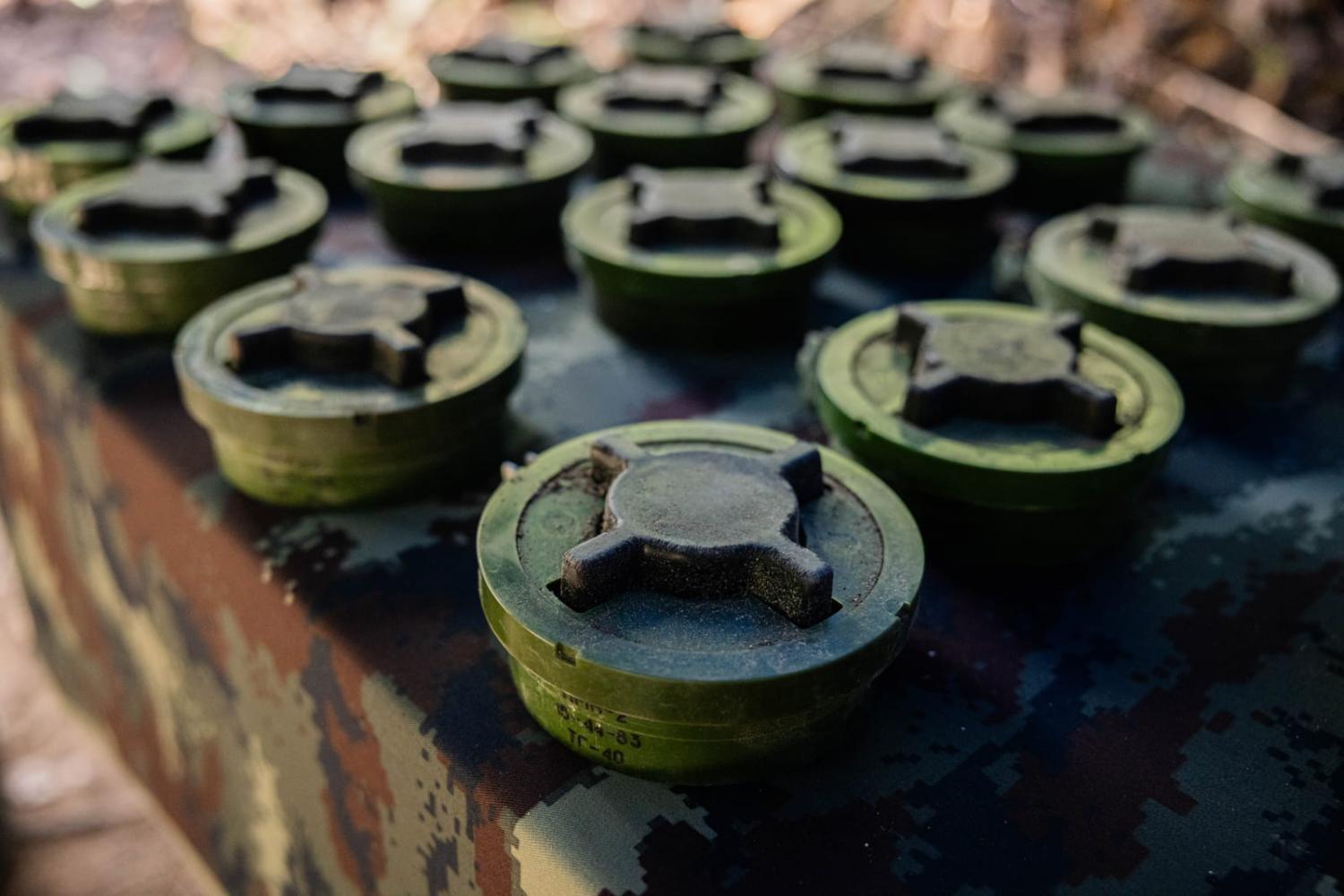
Myanmar recorded the highest number of landmine and explosive remnants of war (ERW) casualties worldwide in 2024, as violence intensified across the country, according to the latest report by Landmine and Cluster Munition Monitor.
The 2025 Landmine Monitor report documented 2,029 people killed or injured in Myanmar in 2024 more than double the 1,003 casualties reported in 2023 and sharply up from 545 in 2022. The figures mark one of the steepest annual increases globally and reflect the expanding armed conflict since the military coup in February 2021.
Two-thirds of the casualties were caused by antipersonnel mines, with civilians accounting for 86 percent of the victims. Since systematic data collection began in 1999, at least 9,206 people have been killed or injured by mines and ERW in Myanmar, though the report cautions that the actual number is likely significantly higher due to underreporting in conflict-affected areas.
According to BNI, local sources report that new mine deployments increased significantly in 2024 and continued into 2025, particularly in contested areas where clashes between junta forces and resistance groups have intensified.

The report states that Myanmar’s armed forces continue to manufacture and extensively deploy antipersonnel landmines. Non-state armed actors, including People’s Defence Forces (PDFs) and ethnic armed organizations (EAOs) have also used landmines and improvised victim-activated explosive devices.
As of October 2025, suspected landmine and ERW contamination had been reported in 211 out of Myanmar’s 330 townships, spanning every state and region. The United Nations has previously described the country as “littered with landmines,” warning of long-term humanitarian consequences.
The monitor further documented allegations that junta troops have forced civilians to walk ahead of military columns in mined areas, a practice rights groups describe as the use of “human minesweepers” and a grave violation of international humanitarian law.
Despite the worsening crisis, Myanmar has not acceded to the 1997 Mine Ban Treaty. Although it has voted in favour of recent UN resolutions supporting the treaty, neither the military authorities nor the parallel National Unity Government (NUG) has taken concrete steps toward joining it.
Access to emergency medical treatment and rehabilitation services for survivors has deteriorated sharply amid ongoing hostilities and attacks on healthcare facilities. International demining organizations remain barred from conducting systematic clearance operations.
BOB Post